Signals
 Data
Data ICP & Lookalike Modeling
 Advertising
A quick AI-generated overview extracted directly from the content of this page.
Understanding the technology stack of your prospects can significantly enhance the outcomes of your B2B marketing and sales efforts. Technographic data goes beyond traditional firmographics, offering insights into the tools and platforms that companies use, which can help you tailor your outreach with precision. From refining target accounts to crafting personalized messaging, technographic data enables you to connect with potential clients on a deeper level.
Choosing the right technographic data provider can make all the difference in your strategy’s success. This blog explores the top 7 B2B technographic data providers in 2026, helping you identify the best fit for your business needs.
Before we dive right in, let’s start with understanding technographics and its imperative need in modern B2B marketing.
Why You Need a Technographic Data Provider
-
Target Companies Based on Technology Needs
Technographic data provides detailed insights into a company’s technology stack, from the software they use to their IT infrastructure. This allows businesses to target companies more effectively by offering solutions that directly align with their existing technology. For example, if you’re selling a cloud-based solution, you can identify companies using outdated, on-premise systems and pitch your product as a much-needed upgrade.
-
Gain Competitive Intelligence
A technographic data provider gives you insights into what technologies your competitors’ customers are using. By understanding their pain points and tech challenges, you can craft pitches that highlight your product’s advantages over their current systems. You can also use this data to time your outreach efforts around technology renewal cycles, increasing the chances of converting prospects when they are looking to make a switch.
-
Enhance Personalization for Marketing Campaigns
Marketing teams benefit significantly from technographic data, as it allows them to tailor campaigns to specific industries and companies based on their tech environment. This personalization improves engagement, making your message more relevant by addressing the unique challenges the target business faces.
-
Align Sales and Marketing for Better Results
Technographic data enables better collaboration between sales and marketing. Sales teams can focus on leads that are a perfect fit based on their tech stack, while marketing can generate targeted campaigns that highlight specific pain points. This alignment shortens the sales cycle, improves conversion rates, and enhances overall efficiency.
-
Make Data-Driven Decisions
By investing in a technographic data provider, your decisions will be based on hard data about technology usage rather than assumptions. This leads to better lead generation, improved customer relationships, and, ultimately, more revenue for your business. In the digital age, understanding the technical needs of your prospects is a critical factor in scaling B2B success.
Now that we’ve explored the importance of technographic data and how it can significantly improve your sales and marketing results, the next step is finding the right data provider to meet your specific needs. With numerous options available, it’s crucial to choose a platform that not only offers accurate technographic insights but also aligns with your business goals.
Below, we’ve compiled a list of the 7 best B2B technographic data providers in 2026, each offering unique features, strengths, and pricing to help you make an informed decision.
7 Best B2B Technographic Data Providers in 2026
| Tool | Best For | Key Features | Strengths | Limitations |
| SalesIntel | Signal-driven pipeline generation & deep data insights | 340M+ technology install data points, Signal360 buying signals, AI-driven ICP modeling | Highly accurate (human-verified), strong intent + technographic combo, workflow automation | Learning curve due to advanced features |
| Cognism | Compliance-focused prospecting | Technographic + contact data, GDPR/CCPA compliance | Strong data compliance, reliable contact + tech insights | Less depth in technographic data vs competitors |
| Clearbit by Hubspot | Real-time data enrichment & segmentation | Real-time technographic enrichment, CRM integrations | Fresh data, strong integrations, good segmentation | Expensive for smaller teams, limited customization |
| Datanyze | SaaS & tech-focused prospecting | Tech stack identification, software usage tracking | Easy to use, great for SaaS targeting | Limited beyond tech industry, fewer advanced features |
| UpLead | Budget-friendly accurate data | Technographic + firmographic + contact data, 95% accuracy guarantee | High accuracy, affordable, easy filtering | Limited depth in technographics, fewer analytics features |
| ZoomInfo | Enterprise data intelligence | Large technographic database, intent signals, buying insights | Extensive database, strong enterprise capabilities | Higher cost, occasional data accuracy concerns |
| Lusha | Simple contact + company data enrichment | Basic technographic insights, browser extension, CRM integrations | Easy to use, quick data access, good for SDRs | Limited technographic depth, more contact-focused |
SalesIntel
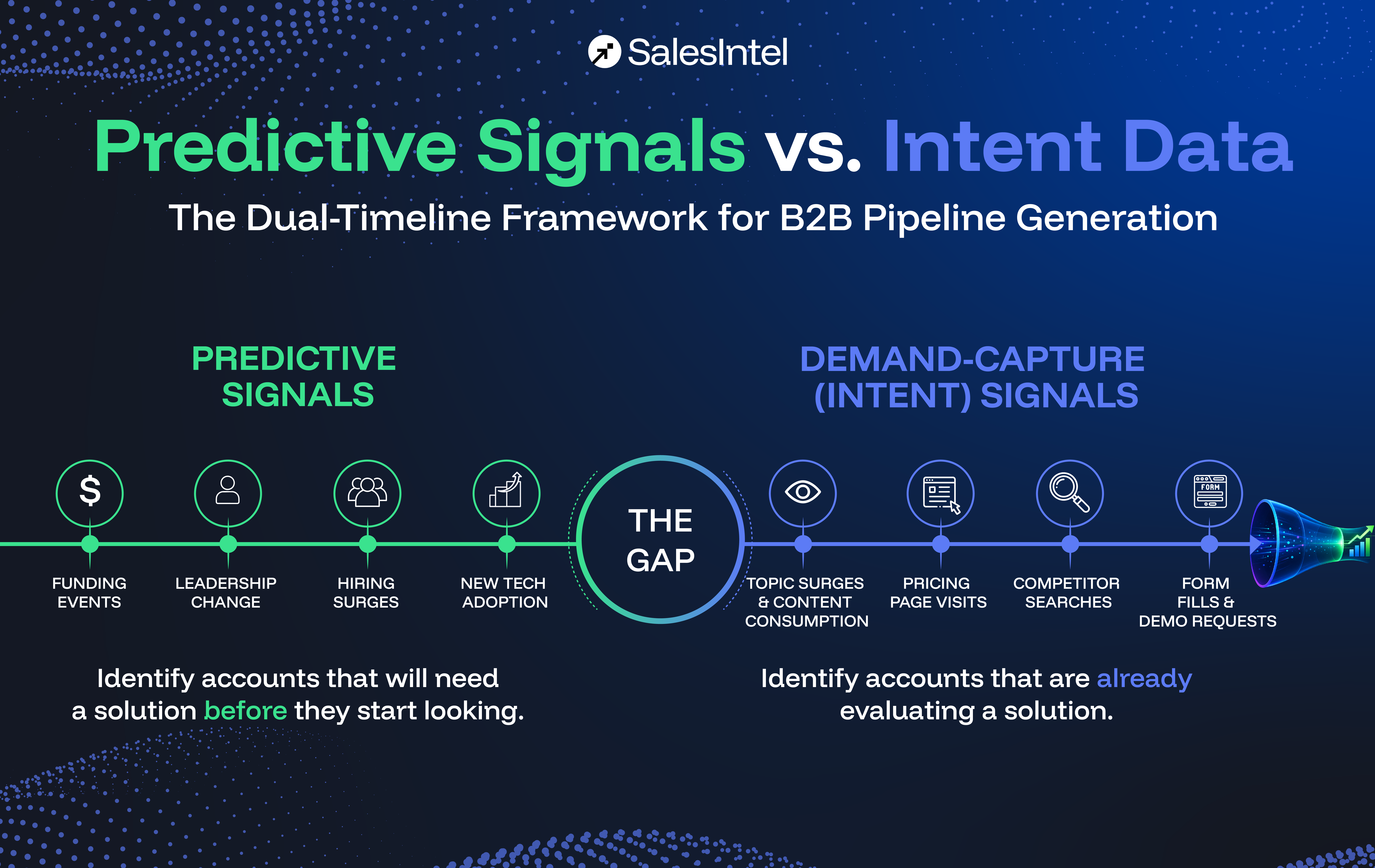
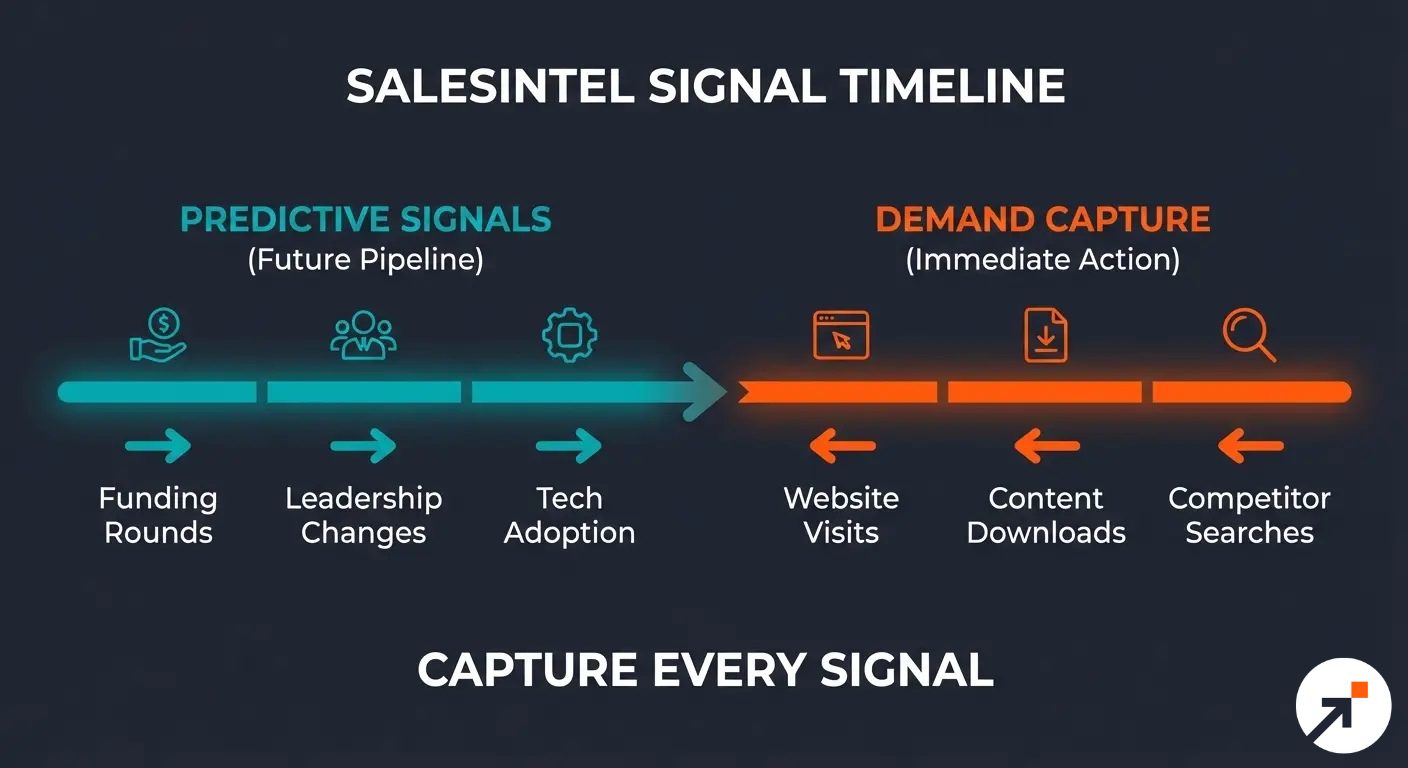
SalesIntel is a signal-first pipeline generation platform that leverages agentic workflows to identify accounts ready to buy and activate engagement with buying groups to build strong revenue pipeline. Powered by Signal360, the platform tracks thousands of buying signals across 30+ categories spanning the entire buying journey, from predictive signals that identify future pipeline opportunities to demand-capture signals that reveal accounts ready to engage now.
This dual-timeline approach addresses the fundamental challenge every revenue leader faces: generating pipeline now AND building pipeline for the future. The platform’s Capture, Qualify, and Activate framework turns scattered market signals into coordinated revenue action, consolidating what traditionally required four or five separate tools into a single unified platform.
Key Capabilities
Signal360 Intelligence
- Tracks thousands of buying signals across 30+ categories
- Predictive Signals (Future Pipeline): Funding rounds, leadership changes, team expansions, and technology adoptions that reveal accounts entering buying cycles weeks or months ahead
- Demand-Capture Signals (Immediate Pipeline): Website visits, content downloads, pricing page views, competitor searches, and Bombora topic surges that expose active evaluation
Comprehensive B2B Data Foundation
- Over 30 million company profiles with firmographic data
- 200M+ contacts with verified emails and mobile phone numbers
- Precise technographic data profiled by 340+ million unique technology install data points
- Over 14 million contacts verified by human researchers
- ~95% accuracy for B2B account and contact data
- Data re-verified every 90 days by 2,000+ data researchers
- Buyer intent data spanning 12,000+ topics
ICP Modeling & Account Intelligence
- Robust ideal customer profile (ICP) creation using modern AI models
- Look-alike account identification
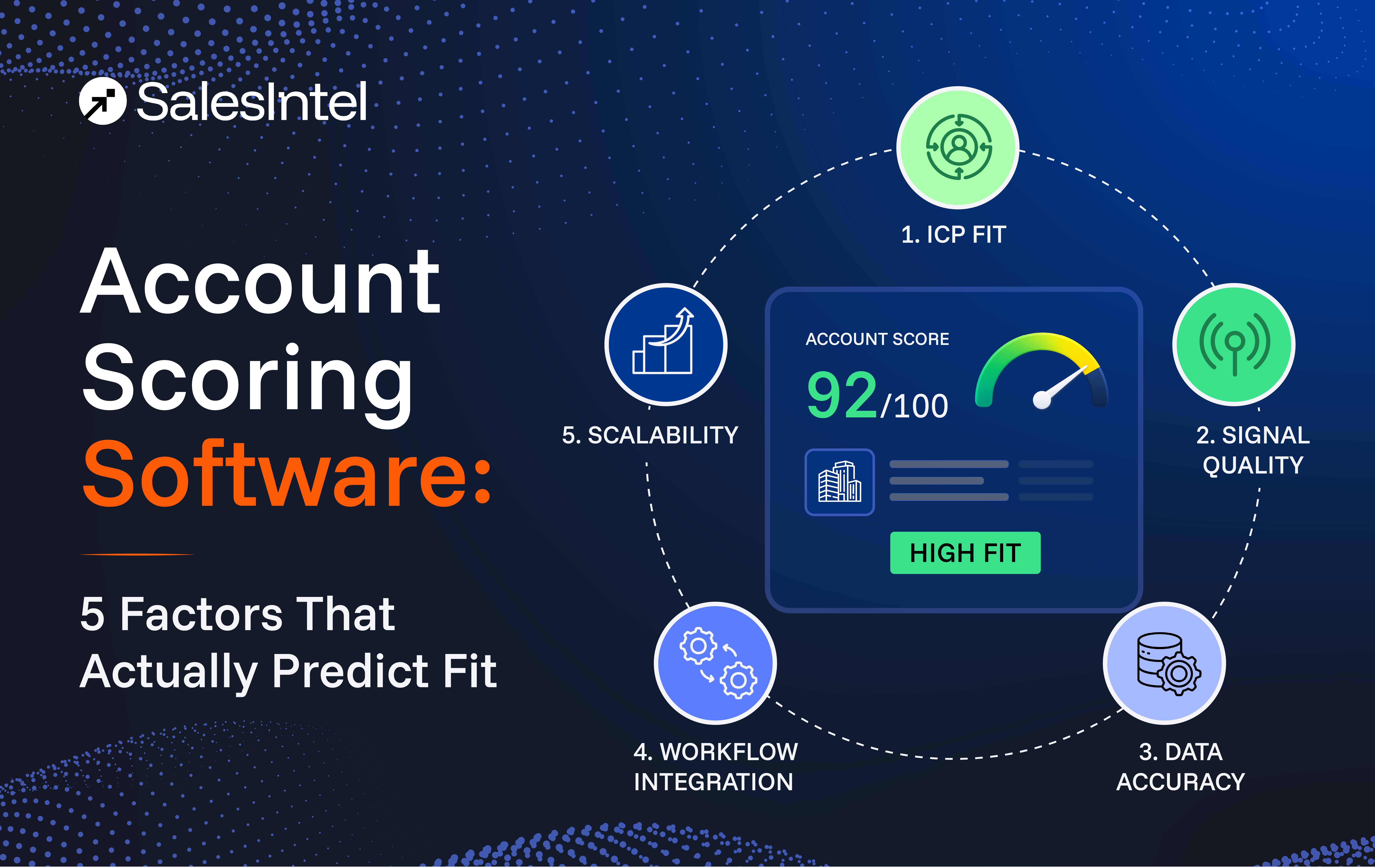
- Intelligent account scoring and prioritization
- Buying group contact identification and multi-stakeholder visibility
GTMCanvas: Agentic Workflow Builder
- Build agentic workflows that respond to buying signals within your ICP
- Activate custom campaigns across all outreach platforms
- Multi-channel orchestration engaging buying groups at the right time with the right message
Activation Capabilities
- Multi-stakeholder sequences via ProspectConnect
- Precision targeting through programmatic advertising (AdsIntel)
- Native integrations with CRM/MAP/SEP platforms
- CRM automation for effortless data exports
- Both automatic and manual data enrichment options
Enterprise-Ready Infrastructure
- SOC2 certified with enterprise security (SSO/SAML, RBAC, audit logs)
- Regulatory compliance (GDPR/CCPA)
- Robust integrations with your GTM stack
- Unlimited data access without credit limits
Free Tools
- RevDriver Chrome Extension for real-time LinkedIn prospecting
- Research-on-Demand for customized data requests
Pros
- Signal-first approach provides complete buying journey visibility across both predictive and demand-capture timelines
- Agentic workflows enable automated, intelligent engagement at scale
- Platform consolidation reduces TCO by replacing 4-5 separate tools
- Comprehensive and highly accurate data foundation with human verification
- Enterprise-grade security and compliance certifications
- Advanced features like GTMCanvas workflow builder and real-time LinkedIn prospecting
- Unified GTM Intelligence Platform aligns Marketing, Sales, and RevOps
- Research-on-Demand allows customized data needs
- Excellent customer support and comprehensive integration options
Cons
- Extensive features and agentic workflow capabilities may require a learning curve to fully maximize potential
- Platform’s comprehensive nature means initial setup and configuration investment
- Training and support are available to accelerate onboarding and adoption
Lusha
Lusha is a user-friendly platform designed for B2B lead generation with a strong focus on contact data. It offers some basic technographic insights, though its strength lies in providing direct contact details. Lusha is particularly suitable for small to medium-sized businesses that need a straightforward tool to enhance their prospecting efforts. The platform includes a browser extension that enables users to gather data on prospects directly from platforms like LinkedIn, making it easy for users to build out their contact lists.
Features
- Provides contact information alongside basic technographic data.
- Easy-to-use interface and seamless integration with other tools.
- Browser extension for fast lead capture from LinkedIn and other sites.
- Affordable pricing for smaller teams.
Pros
- Simple and intuitive interface with easy integration.
- Provides direct contact details alongside some technographic insights.
- Ideal for small and mid-sized teams due to affordable pricing.
Cons
- Limited depth in technographic data compared to more robust platforms.
- Not suitable for enterprises requiring extensive customization or deep technographic insights.
ZoomInfo
ZoomInfo is a top-tier platform known for its vast and detailed company profiles, which include a wide range of technographic data. The platform uses advanced AI-driven analytics to help users understand the technology landscape of their target accounts, making it a valuable tool for sales and marketing professionals who need in-depth insights. ZoomInfo offers comprehensive data on the companies and the technologies they use, helping users better align their solutions with the needs of their prospects.
Features
- Extensive database with detailed technographic insights.
- AI-powered analytics for advanced targeting and technographic segmentation.
- Comprehensive company profiles that include technographics, contact, and firmographic data.
- Highly detailed reporting and predictive modeling.
Pros
- Huge data repository with advanced technographic details.
- AI-driven analytics for enhanced targeting and insights.
- Complete company profiles that give a well-rounded view of prospects.
Cons
- Higher cost, which may not be suitable for smaller companies or startups.
- Some users have reported occasional inaccuracies in data, despite the platform’s vast coverage.
Cognism
Cognism is a B2B contact and lead generation platform that prioritizes data compliance and accuracy. While the platform offers technographic data, its primary strength lies in its focus on GDPR and CCPA compliance, ensuring that companies using it adhere to strict data privacy regulations. Cognism integrates technographics with a robust contact database, giving users a complete picture of their prospects. The platform is particularly well-suited for businesses that need compliant data with a reliable level of accuracy.
Features
- Technographic and contact data bundled together for full prospect views.
- Strong focus on GDPR and CCPA compliance.
- Easy-to-use interface with good customer support.
- Integration with popular sales and marketing platforms.
Pros
- Emphasis on compliance with strict data privacy laws.
- Integrated contact and technographic data for a comprehensive view.
- Intuitive platform with a responsive customer support team.
Cons
- Technographic data might not be as deep or comprehensive as larger competitors.
- Some users find the interface less intuitive compared to other platforms.
Clearbit by Hubspot
Clearbit is a real-time data enrichment platform that offers detailed company intelligence, including technographics. It integrates seamlessly with CRM systems like Salesforce, making it a popular choice for sales and marketing teams that want to enrich their customer data and improve segmentation. Clearbit is particularly valuable for businesses looking to add intelligence to their existing contact and company data, enabling more personalized and data-driven outreach efforts.
Features
- Real-time data enrichment, including technographic insights.
- Easy integration with major CRM and marketing platforms.
- Detailed company intelligence and segmentation capabilities.
- Strong focus on enriching existing databases with up-to-date information.
Pros
- Real-time enrichment ensures data is always fresh.
- Seamless integration with tools like Salesforce.
- Comprehensive view of target accounts, including firmographics, technographics, and intent data.
Cons
- Can be cost-prohibitive for smaller teams or startups.
- Limited customization for specific technographic needs.
Datanyze
Datanyze is a popular B2B data provider that specializes in technographic insights for technology companies. Its user-friendly platform enables sales and marketing teams to quickly identify prospects that use specific software, making it especially valuable for SaaS businesses. With its focus on the technology sector, Datanyze excels at helping users pinpoint prospects in industries with heavy tech adoption, though it offers less data outside of this space.
Features
- Specializes in providing technographic data for technology sectors.
- Easy-to-use platform with a focus on SaaS and technology companies.
- Clear insights into the tech stack used by prospects.
Pros
- Simple and intuitive platform with a clear focus on technographics.
- Ideal for SaaS companies targeting prospects using specific software.
- Affordable for small to medium-sized businesses.
Cons
- Limited data on industries outside the tech space.
- Fewer advanced features compared to larger competitors.
UpLead
UpLead is a B2B lead generation tool that offers a variety of data points, including technographics, with an emphasis on data accuracy. The platform provides a user-friendly experience, making it a good choice for teams looking for reliable data at an affordable price. UpLead’s standout feature is its 95% data accuracy guarantee, which sets it apart from many competitors. Although its technographic data isn’t as deep as some larger platforms, it still provides value for teams needing accurate information for prospecting and segmentation.
Features
- High data accuracy with a 95% guarantee.
- User-friendly interface with easy filtering options.
- Access to contact, firmographic, and technographic data.
- Cost-effective for teams on a budget.
Pros
- High accuracy in data sets, which ensures quality leads.
- Easy-to-navigate platform with extensive filtering options.
- Affordable pricing for smaller teams or startups.
Cons
- Technographic data may not be as deep or extensive as other premium providers.
- Lacks advanced analytics and reporting features.
Empower Your B2B Strategy with the Right Technographic Insights
Selecting the right technographic data provider is critical for any B2B strategy looking to leverage the power of technology insights. Each provider listed offers unique strengths, from SalesIntel’s comprehensive features and real-time LinkedIn prospecting tool RevDriver to UpLead’s focus on data accuracy at an affordable price. When choosing a provider, consider your company’s specific needs, budget, and the depth of technographic data required.
SalesIntel stands out with its extensive data coverage, advanced tools, and customizable solutions, making it a top choice for businesses aiming to enhance their marketing and sales efforts. By investing in the right technographic data provider, you can achieve a deeper understanding of your target accounts, refine your strategies, and drive better business outcomes.
See it before you use it. Book a SalesIntel demo tailored to your ideal customer profile.
FAQs
What is Technographic Data?
Technographic data identifies the technology stack a company currently uses, including software applications, hardware infrastructure, and IT services. It provides insights into a company’s operational capabilities and technology needs, enabling sales and marketing teams to create more targeted and relevant outreach strategies.
What are the uses and benefits of Technographic Data?
Technographic data enhances sales and marketing strategies through precise targeting and personalized outreach campaigns. It enables improved lead generation, competitive analysis, and market segmentation by identifying companies using specific technologies, allowing teams to tailor their approach and improve conversion rates.
How is Technographic Data Collected?
Technographic data is collected through web crawling, direct observation, and sophisticated algorithms that scan public websites, job postings, and online sources to detect technology footprints. Leading providers like SalesIntel also leverage human verification processes and proprietary integrations to ensure accuracy and comprehensive coverage of technology stacks.
Can Technographic Data be combined with other data types?
Yes, technographic data integrates seamlessly with firmographic data (industry, company size), demographic data (employee roles), and intent data (purchase signals) to create comprehensive prospect profiles. This fusion enables highly granular segmentation, helping businesses identify specific companies and contacts actively seeking solutions that fit their technological environment.
What are the challenges of using Technographic Data?
The main challenges include ensuring data accuracy and maintaining current information as technology rapidly evolves. Other difficulties involve integrating technographic data with existing systems, interpreting complex data points, and selecting a provider with adequate coverage and robust validation processes.
How does Technographic Data support B2B sales and marketing strategies?
Technographic data enables precise targeting and personalization by helping sales teams identify ideal prospects based on their technology stack for tailored pitches. Marketing teams can segment audiences effectively and craft relevant campaigns that resonate with companies using particular technologies, improving engagement and conversion rates.
Who are the best Technographic Data Providers?
Leading technographic data providers include SalesIntel, ZoomInfo, Clearbit, and HG Insights, each with distinct strengths. SalesIntel stands out for its high data accuracy, extensive coverage of technographic and firmographic data, and human verification processes that ensure reliable intelligence for precise targeting.
What are the key features to look for in a Technographic Data Provider?
Essential features include high data accuracy, broad technology coverage, frequent data updates, and robust integration capabilities with CRM and marketing automation platforms. A user-friendly interface, comprehensive customer support, transparent pricing, and granular data segmentation options are also vital for maximizing the value of technographic intelligence.
What are common challenges when selecting or evaluating Technographic Data Providers?
Key challenges include verifying data accuracy, comprehensive coverage, and frequency of updates to ensure current information. Businesses must also evaluate seamless integration capabilities with existing systems, pricing transparency, quality of customer support, and whether the data aligns with their specific business needs and targeting requirements.