ICP Analysis & Lookalike Modeling
 Buying Signals & Intent
 AI Automation and Data
 SalesIntel Platform
 Marketing
 Sales
Sales Revenue Operations
 Advertising
 Resources
 Events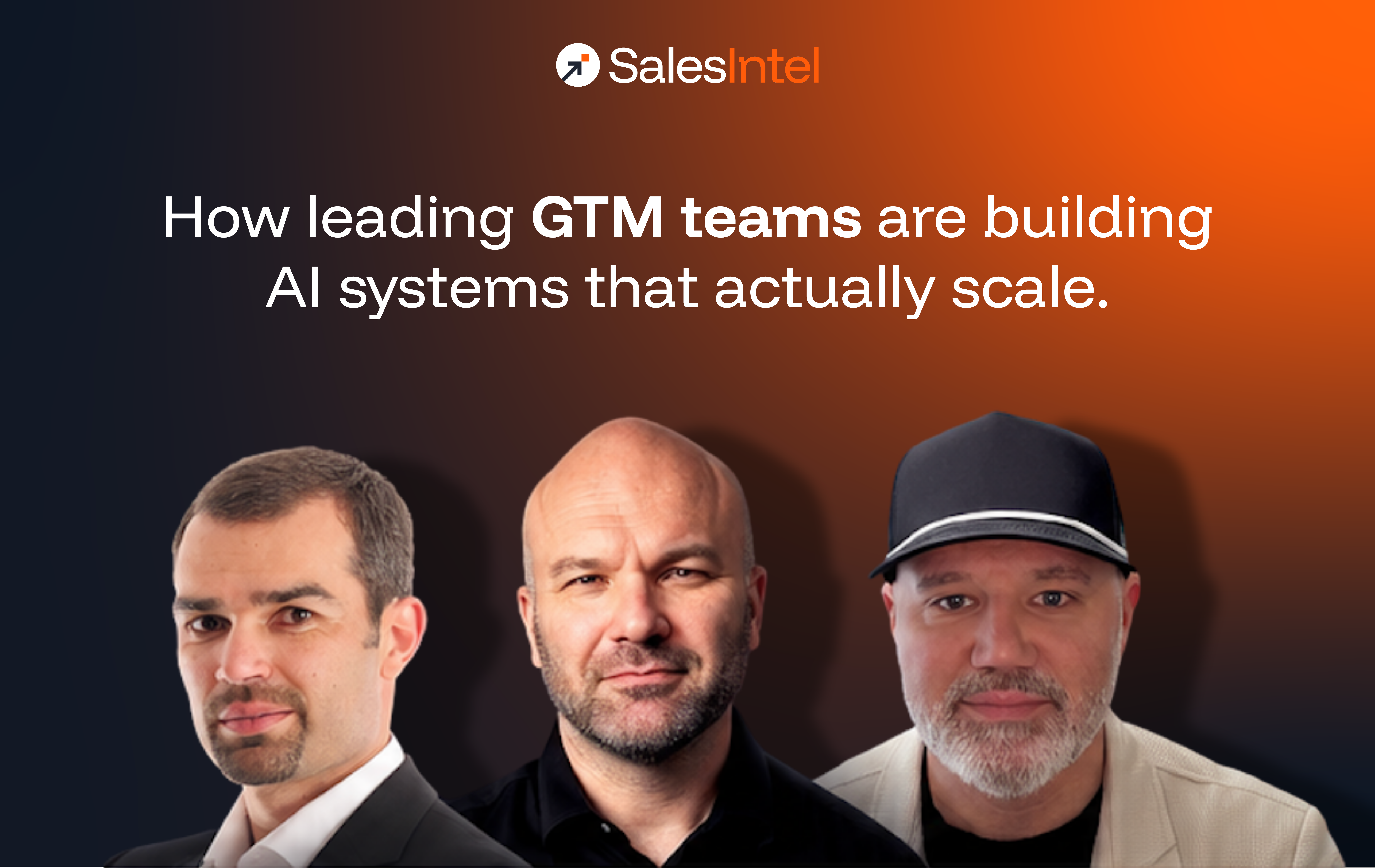
A quick AI-generated overview extracted directly from the content of this page.
Most revenue teams already use AI to save time: draft this email, summarize this call, automate that workflow. Useful, sure. But it is not where the real return lives.
At our recent Claude for GTM Workshop, Real Demos by Real Practitioners, two revenue leaders showed a different approach. They are not using AI to save minutes. They are building systems that get smarter every time they run, and that move win rates, deal velocity, and team capacity.
Jonathan Kvarfordt (Coach K), VP of Marketing at OneMind, and Jonathan Moss, EVP of Growth and Partnerships at Experity, walked through exactly how they built these systems, the results they have gotten, and what it takes to do the same on your own team.
Want the full recording? Fill out the form here and it lands straight in your inbox.
Your ICP shouldn’t live in five different folders
Coach K opened with a problem that quietly costs teams time and money: how information gets organized in the first place.
Most companies structure their knowledge the way they structure their org chart. Marketing has a folder. Sales has a folder. Each team keeps its own version of the same documents. It feels natural, until the moment AI needs to pull information across teams, and everything slows down.
“Your ICP shouldn’t exist in five different folders. Multiple versions create misalignment, break communication, and prevent automation because every team is working in its own silo. What if, instead, it all lived in a graph?” Coach K
His fix: stop organizing information like an org chart and start organizing it like a connected graph, four layers deep (company-wide knowledge, cross-team plays, current work, and team knowledge) all linked instead of duplicated.
Why it matters: This is the reason AI initiatives stall for so many GTM teams. When your ICP or messaging lives in five folders, sales and marketing quietly end up working from different versions, and that misalignment breaks communication before anyone notices. It blocks automation too, since AI can’t work reliably across data it can’t trust or connect. Fix the structure and you fix the root cause, not just the symptom.
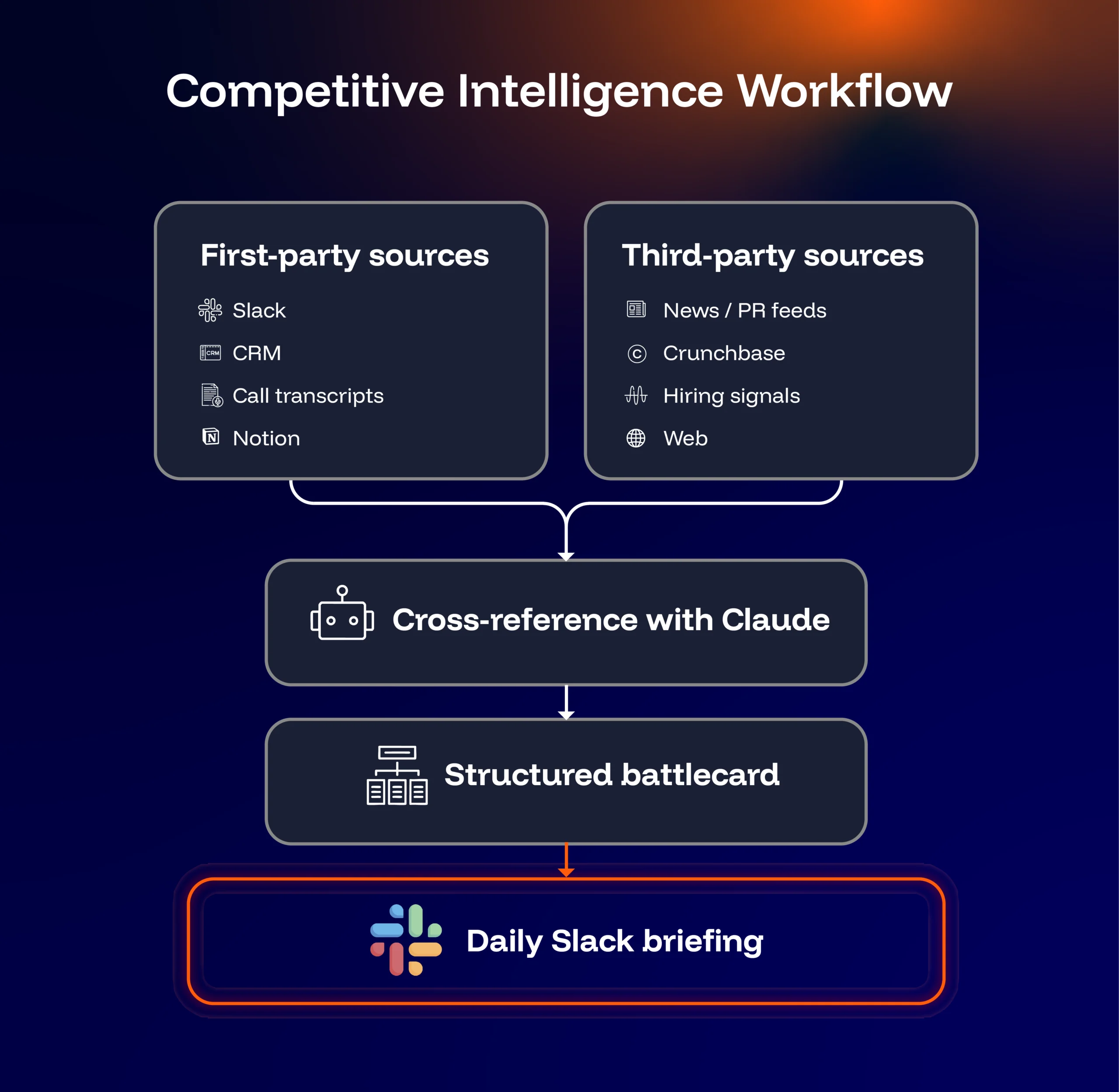
A live example: automating competitive intelligence
Coach K made the idea concrete with a system he built at OneMind, a fully automated, weekly competitive intelligence workflow.
It pulls from two places: third-party sources (scrapers, PR feeds, Crunchbase) and first-party sources (what’s actually being said about competitors in Slack, Notion, and sales call transcripts). It cross-references both, catches anything reps might have missed, and posts a sourced, color-coded briefing to Slack every week.
One example stood out. The system had quietly been tracking Artisan, a company that isn’t even a direct competitor, and flagged a subtle shift in their messaging: from telling companies to stop hiring humans, to telling them to stop hiring the wrong humans. Nobody asked it to watch for that. It surfaced the shift on its own after months of tracking the space.
Why it matters: This replaces hours of manual competitor research every week with a system that never misses an update. Marketing and sales find out about a competitor’s move the same week it happens, not months later when it shows up in a lost deal.
Coach K was direct about what makes or breaks a workflow like this:
“If you don’t have good data for this, none of this would work. So all of this would be pretty much just high level crap that wouldn’t be helpful for anybody. I’m not saying perfect data. I’m saying access to good data. That’s the one key difference.” Coach K
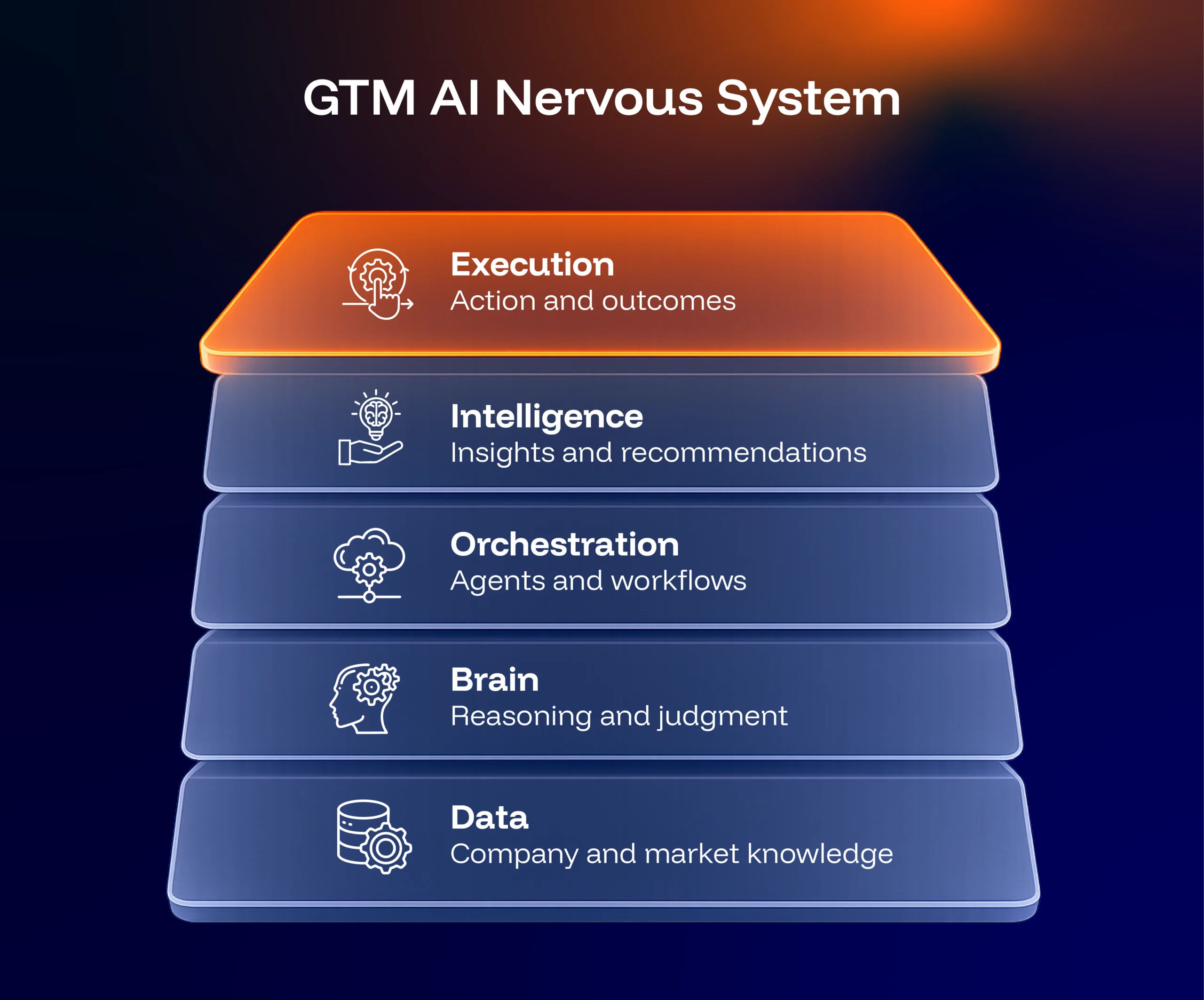
The nervous system: AI that compounds instead of resets
Jonathan Moss picked up from there with the mental model that separates a real system from a pile of automations.
The goal isn’t just to improve outcomes. It’s to build the system underneath that consistently produces those outcomes, again and again, without a rebuild each time.
He breaks it into five layers: data, a shared brain built from knowledge and memory, orchestration across specialized agents, intelligence, and execution, agents that can actually take action, not just summarize things.
“Every time I add a task, I have to manage it. If I have a system, I manage the system, not each individual task.” JMoss
Why it matters: This is the difference between a team that has to rebuild its AI setup every quarter and one where the system gets more valuable, and more accurate, every single week, without extra manual work.
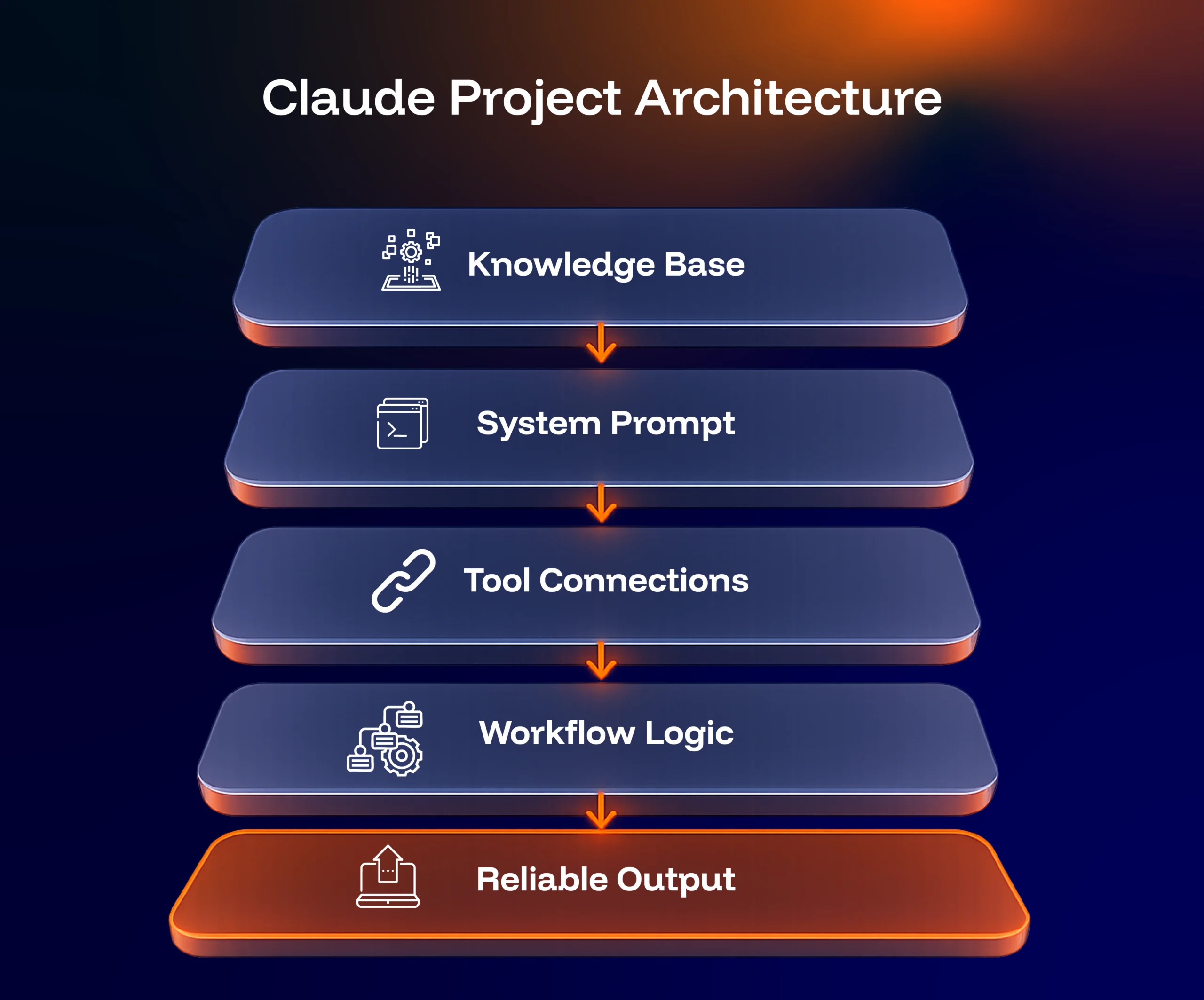
The brain is the part worth sitting with. It’s a knowledge graph that updates every time the system runs, so the next run doesn’t start from zero. JMoss showed his own version in Obsidian, a visual map that grows every time an agent uses it. The gaps, the connections not yet made, are often more useful to see than the ones already there.
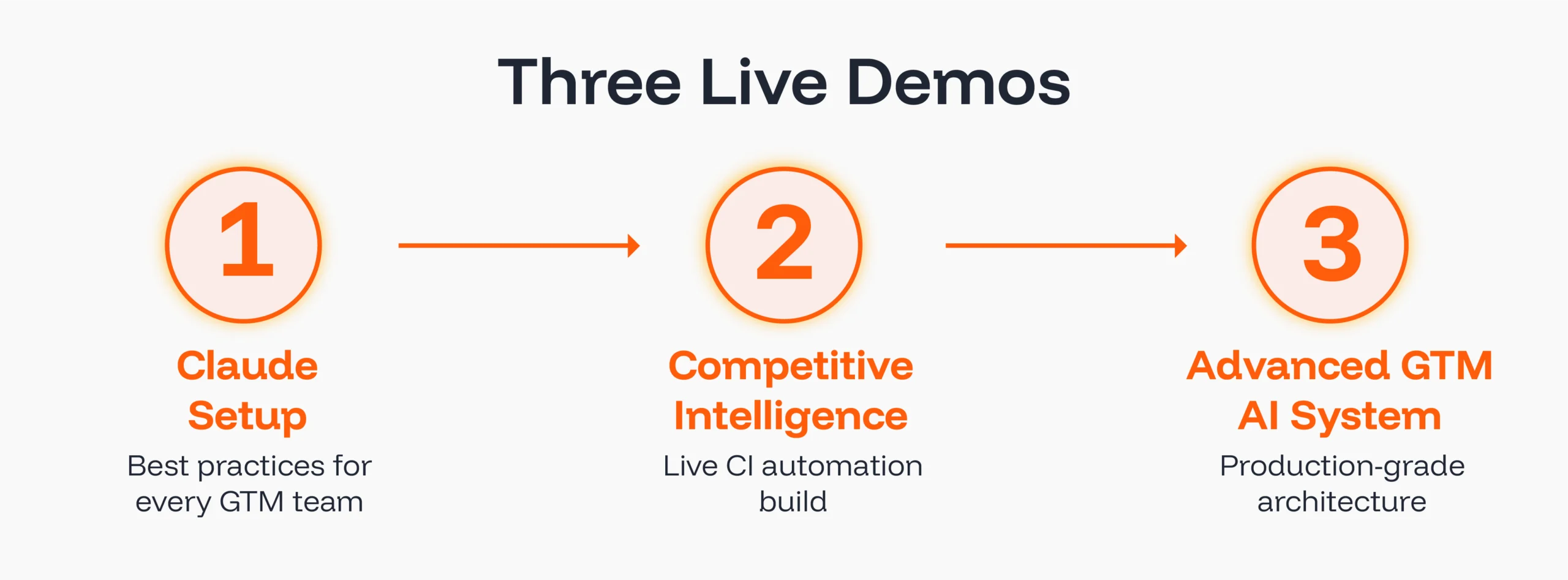
Live demo: multi-agent win and loss analysis
The most compelling part of the session was watching this run live. JMoss asked his system one question: why are we winning and losing deals, and what should marketing and sales do next?
Behind the scenes, six specialist agents, a conversation analyst, a revenue analytics agent, a VP of RevOps, a CRO, and a CMO, each pulled from the same data and the same brain, then synthesized their findings into one set of recommendations. The output named a specific, quantified problem, not a vague summary.
Why it matters: This is the kind of insight that usually takes an analyst days to pull together manually, if it gets pulled together at all. Here it’s automatic, accurate, and immediately actionable, which means reps spend more time selling and less time guessing why deals stall.
The system didn’t stop at diagnosis. It proposed next-best-actions: tagging champion presence on lost deals in the CRM, building a champion enablement kit and ROI calculator, drafting a competitive battlecard, and dispatching any of them to the right agent with one click. JMoss ran the whole thing live.
The framework behind it all: Who, Who Else, Why, When
Closing out the session, our VP of Demand Gen and Revenue Strategy, Johan Abadie, tied both demos back to a simple framework for thinking about go-to-market data itself, and this is the part most directly tied to pipeline quality.
“The strongest go-to-market systems answer four questions: Who should you engage? Who else influences the buying decision? Why are they in-market? And when is the right time to act? Once you have a system in place that answers all these questions, pipeline quality improves, win rates increase, and your go-to-market becomes far more effective. That’s what SalesIntel is built for.” Johan Abadie
The most effective GTM teams in 2026 operate across four layers:
| Layer | Focus | What it includes |
|---|---|---|
| WHO | Contact intelligence | Verified contacts, direct dials, titles, org chart, the foundation, now largely commoditized |
| WHO ELSE | Buying committee intelligence | The full group of 11 to 15 stakeholders in a B2B decision: economic buyers, technical evaluators, champions, blockers, and influencers across functions |
| WHY | Strategic intelligence | ICP fit, proven ROI with similar accounts, technographic alignment, active initiatives that create a genuine buying window, compelling events |
| WHEN | Signal intelligence | Intent spikes, site visits, form fills, third-party behavioral signals, funding events, leadership changes, hiring velocity |
Most data vendors have solved for WHO. Some have made real progress on WHEN through intent data. Almost none have cracked WHO ELSE or WHY, arguably the two layers with the most direct impact on whether a deal gets started and whether it closes.
Why it matters: This is where better data and better targeting turn into a better conversion rate. It won’t hand a team more leads, but it makes the leads and pipeline already in motion convert more often, which has the same effect on revenue.
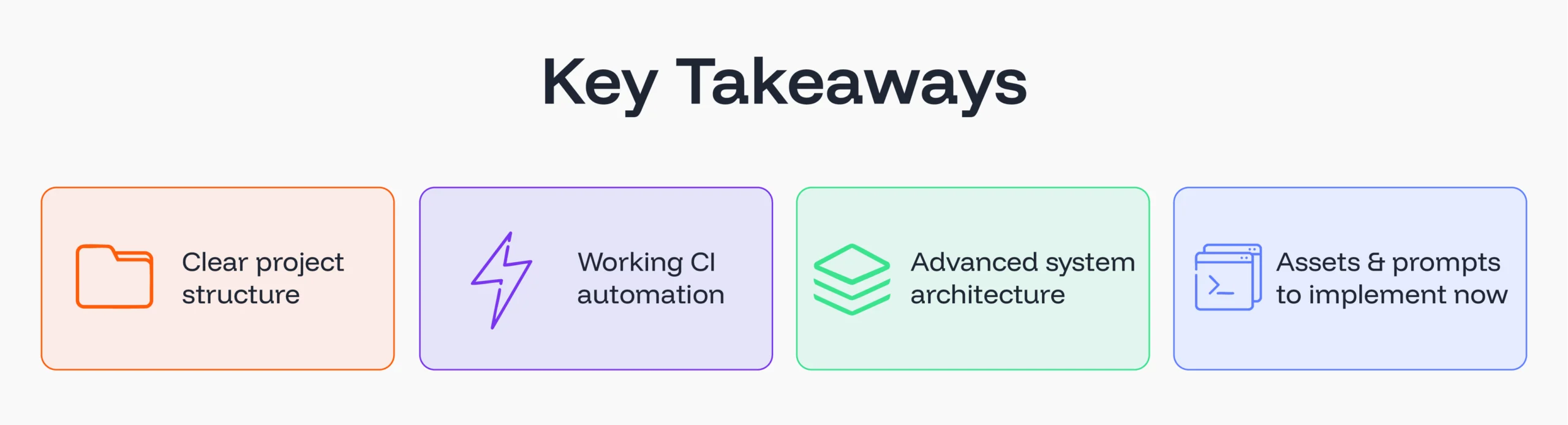
Key takeaways for your team
A few things worth pulling out if you are thinking about building something like this:
- Start small. Automate one process you already understand well, ideally one you have mastered manually, before expanding. Automating something you have not figured out yourself just makes it harder to fix when it breaks.
- Don’t wait for perfect data. It does not exist. What matters is good enough data plus a clear understanding of the gaps, so the system improves as it learns.
- Keep a human in the loop. Even the most advanced systems shown in this session still route final decisions through a person.
- Choose your data provider carefully. Every provider has different strengths, and testing data quality up front saves significant troubleshooting pain later.
“There is the compute power, there are the algorithms, and there is the data. The compute power and the algorithms, you can swap them. Make sure you get the data part set up correctly.” Johan Abadie
Get the full recording
This post covers the highlights, but there is a lot more in the full session, including the live Q&A where JMoss goes deeper on how his orchestration layer decides which model to use for which job.
Frequently Asked Questions
What is a “GTM nervous system” in AI-driven revenue teams?
It’s Jonathan Moss’s model for a GTM system that gets smarter every time it runs instead of resetting each quarter. It has five layers: data, a shared brain built from knowledge and memory, orchestration across specialized agents, intelligence, and execution agents that can take action. The point is you manage the system once, not every individual task.
What are the layers of an AI system that scales across a GTM team?
The article breaks it into five: data as the foundation, a shared brain (a knowledge graph that updates every time the system runs so the next run doesn’t start from zero), orchestration across specialized agents, intelligence that synthesizes their findings, and execution agents that can take action rather than just summarize. Each layer builds on the one before it, which is what lets the system compound instead of resetting.
How do you structure GTM data so AI can actually use it across teams?
Most companies organize information like their org chart, with marketing and sales each keeping separate versions of the same documents. That creates misalignment and blocks automation, since AI can’t work reliably across data it can’t trust or connect. The article’s fix is a connected graph structure across four layers (company-wide knowledge, cross-team plays, current work, team knowledge) instead of duplicated folders.
Do you need perfect data before building an AI-driven GTM system?
No. Perfect data doesn’t exist. What you need is access to good data plus a clear picture of the gaps, so the system improves as it learns rather than waiting to launch.
What’s the first step to building an AI-driven GTM system?
Start small. Automate one process you already understand well, ideally one you’ve mastered manually, before expanding. Automating something you haven’t figured out yourself just makes it harder to fix when it breaks.
What’s the biggest risk when automating a GTM process for the first time?
Automating a process before you’ve mastered it manually. If you haven’t figured it out yourself, you won’t know how to fix it once it’s automated and something breaks. Keeping a human in the loop on final decisions is the other guardrail the article calls out, even the most advanced systems shown still route decisions through a person.